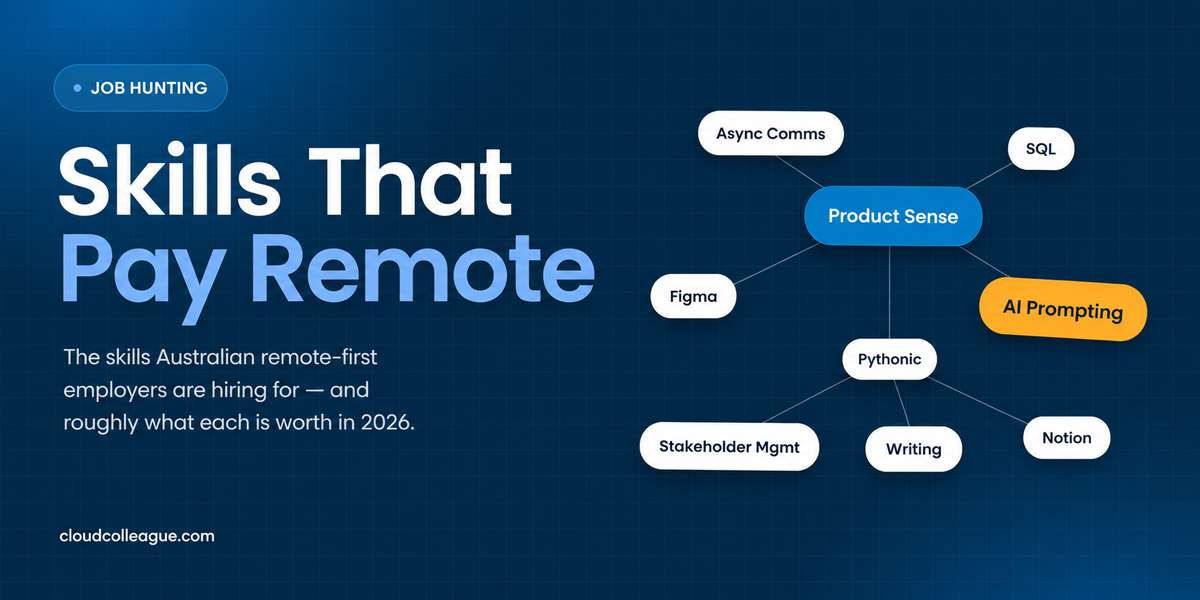
Remote work is no longer a secondary option in the modern job market. It has become a structured part of how companies operate, especially in digital, administrative, and professional service industries. In Australia and other developed economies, labour market trends from sources such as Jobs and Skills Australia show continued growth in hybrid and flexible roles, particularly in knowledge-based sectors like IT, marketing, education, and business services.
At the same time, employers are increasingly hiring based on skills rather than location. Work is now broken into tasks that can be completed remotely using digital tools, which has expanded opportunities for individuals who can work independently.
However, despite the growth in remote opportunities, not everyone succeeds in these roles. The key difference is not access, but readiness. Remote jobs require a specific combination of technical, communication, and self-management skills that many beginners underestimate.
Understanding these skills is essential before applying for remote roles or freelance work.
| Quick Answer on What skills are best for remote jobs : The best skills for remote jobs in 2026 include communication skills, digital literacy, time management, writing ability, and role-specific technical skills such as marketing, data handling, design, or software development. These skills are in high demand across remote-first and hybrid companies globally and in Australia, especially as businesses shift toward flexible, skill-based hiring. |
Why Remote Skills Are Now a Core Hiring Requirement
Remote work has grown significantly because businesses now rely on digital systems to operate across locations. Workforce research from organisations like the OECD and national labour agencies shows a long-term shift toward hybrid work models, especially in office-based and knowledge-driven roles.
In Australia, many employers now offer flexible arrangements as standard, particularly in industries such as IT, communications, education, finance, and digital services. This reflects a broader global shift where companies focus less on physical presence and more on measurable output.
As a result, remote skills are no longer optional. They are now a baseline requirement for many modern jobs.
Read Next: How to Start Freelancing Today?
Communication Skills as the Foundation of Remote Work
Communication is the most important skill in remote environments because all collaboration happens through digital channels rather than face-to-face interaction. Remote workers rely heavily on email, messaging platforms, video calls, and written documentation. Poor communication leads to delays, misunderstandings, and reduced productivity.
For example, a remote marketing assistant working with an Australian startup may need to coordinate campaigns, report progress, and respond to client feedback entirely through written communication tools.
Clear communication ensures tasks are completed correctly without physical supervision.
Digital Literacy and Tool-Based Work
Digital literacy is a basic requirement for remote jobs in 2026. This includes the ability to use productivity tools, communication platforms, and cloud-based systems. Most remote roles require familiarity with tools such as document sharing platforms, spreadsheets, project management software, and communication apps.
For example, a virtual assistant may manage scheduling, emails, and documents across multiple tools daily. A remote content worker may collaborate using shared documents and content systems.
In modern labour markets, digital tool awareness is considered a foundational employability skill rather than an advanced advantage.
Time Management in Independent Work Environments
Remote jobs require strong personal discipline because employees are not physically supervised.
Workers must manage their own schedules, prioritise tasks, and meet deadlines independently. This becomes especially important in roles involving multiple clients or overlapping responsibilities.
For example, a freelance designer may need to balance multiple projects while maintaining consistent delivery timelines. A remote analyst may work across different time zones with strict reporting deadlines.
Time management directly influences reliability, which is a key factor in remote hiring decisions.
Writing and Digital Communication Skills
Writing is one of the most widely used skills in remote jobs because most communication in distributed teams is text-based. This includes emails, reports, project updates, content creation, and documentation.
For example, a remote content writer may create blog articles for a business, while a marketing coordinator may write campaign emails and product descriptions.
Even technical roles depend on writing skills for reporting, documentation, and collaboration. Because of this, writing ability remains one of the most transferable remote work skills.
Technical Skills Driving Remote Job Growth
Technical skills are increasingly important as remote work expands into specialised industries.
High-demand skill areas include:
- digital marketing and SEO
- data analysis and reporting
- software and web development
- UI/UX design tools
- spreadsheet and data management
Labour market demand in Australia continues to show shortages in several digital and technical skill categories, particularly in IT and analytics-related roles. For example, a remote data analyst may interpret business performance data using dashboards, while a software developer collaborates on cloud-based platforms to build applications.
These skills significantly increase access to higher-paying remote roles.
Self-Management and Accountability
Self-management is a critical skill because remote work relies on output rather than supervision. Employers expect consistent performance without continuous monitoring.
For example, a remote customer support agent must handle queries independently while maintaining response time targets. A project coordinator must ensure tasks are completed without direct supervision.
Strong accountability builds trust, which is essential in remote employment relationships.
Problem Solving in Independent Work Settings
Remote workers often need to solve problems without immediate support from colleagues or supervisors. This includes handling technical issues, client revisions, or workflow challenges independently.
For example, a remote designer may need to revise creative work based on feedback without direct guidance. A virtual assistant may resolve scheduling conflicts or tool-related issues on their own. Problem-solving ability improves efficiency and reduces dependency in distributed teams.
Not sure which remote jobs match your skills? CloudColleague helps you find out – then connects you directly to live opportunities that fit. Read How to use CloudColleague to find jobs.
Entry-Level Remote Skill Pathways
Many people assume remote work requires advanced expertise, but entry-level opportunities are widely available. Common starting roles include:
- virtual assistant work
- content writing
- social media management
- data entry and basic admin tasks
- customer support roles
For example, a beginner may start by handling simple administrative tasks or writing short-form content before moving into more advanced digital roles.
Platforms that combine job listings and task-based opportunities, such as CloudColleague, help beginners access both freelance and entry-level job pathways while building experience.
Read Next: Which Careers Have the Best Work-Life Balance in 2026? (Australia Guide)
Remote Success Starts With What You Build Now
Remote work is expanding due to structural changes in how businesses operate, but success depends on skill readiness rather than job availability. The most important remote skills are not only technical but behavioural. Communication, time management, digital literacy, and accountability often matter more than formal qualifications in early-stage remote roles.
As labour markets in Australia and globally continue shifting toward flexible and hybrid models, individuals who develop these skills early will have stronger access to remote opportunities. Remote work is not defined by location. It is defined by the ability to deliver consistent results independently.
CloudColleague is built for exactly this. Start with CloudColleague developing the communication, accountability, and digital skills that remote employers actually look for – before your first remote role begins. Browse open remote roles, apply directly, and let your skills speak for themselves.
Frequently Asked Questions
Communication, digital literacy, time management, writing ability, and job-specific technical skills are the most important remote work skills.
Yes. Entry-level remote roles exist in administration, writing, customer support, and digital tasks.
Virtual assistant work, content writing, and basic data entry roles are common starting points.
Not always. Some roles focus on communication and organisation, while others require technical expertise depending on the industry.