Work-life balance has become one of the most important factors when choosing a career in Australia in 2026. For many professionals, salary alone is no longer enough. People are now prioritising flexible working hours, remote options, mental wellbeing, and predictable routines.
Recent workplace trends in Australia show that hybrid work is becoming standard in many industries, especially in digital roles and professional services. At the same time, industries like healthcare, construction, and emergency services continue to face higher workloads and less predictable schedules.
This raises an important question for career changers and job seekers. Which careers actually offer a healthy balance between work and personal life?
This guide breaks it down using real examples, industry insights, and practical comparisons.
| Quick Answer: Careers with the best work-life balance in Australia include digital marketing, data analysis, project management, education, software development (in structured companies), and selected healthcare support roles. These jobs often offer flexible schedules, remote work options, and more predictable workloads compared to high-pressure industries. |
What Makes a Career Good for Work-Life Balance?
A career is considered balanced when it allows a person to manage work and personal life without constant stress or long unpredictable hours.
In Australia, balanced careers usually include:
- predictable working hours
- flexible or remote work options
- manageable workload expectations
- stable demand in the job market
- low frequency of emergency or overtime pressure
| For example: a data analyst working in a bank may have structured reporting deadlines each week, while a hospital emergency nurse may face unpredictable shift changes and urgent situations. Both are valuable careers, but the balance is very different. |
Why Work-Life Balance Matters More in 2026?
Work expectations in Australia have changed significantly in recent years. Hybrid work is now common in industries like IT, marketing, and consulting. Many companies now focus on output rather than strict office hours.
At the same time, burnout has become a growing concern. Employees in high-pressure industries are increasingly seeking roles with more stability and flexibility.
| For example: a marketing specialist working remotely for a Sydney-based company may complete campaign work from home with flexible deadlines. In contrast, a construction site manager may need early starts, long hours, and on-site presence regardless of personal schedule. |
This shift is pushing many professionals to reconsider their career paths.
Read Next: What Skills Are Best for Remote Jobs in 2026?
Best Careers With Strong Work-Life Balance
1. Digital Marketing
Digital marketing is one of the most flexible careers in Australia today.
| For example: a content writer working for an e-commerce company may write blogs, manage SEO tasks, and schedule content from home with flexible deadlines. Similarly, a social media manager may plan campaigns in advance and track performance without fixed office hours. |
Many roles in this field are remote-friendly and project-based, which allows better control over time.
Why it works:
- flexible working hours
- remote opportunities
- project-based deadlines
- strong demand in Australia
2. Data Analysis
Data analysts often work in structured environments where tasks are planned in advance.
| For example: a data analyst working for a retail company may spend the week analyzing sales performance, preparing reports, and presenting insights in scheduled meetings. Work is usually predictable and not emergency-driven. |
Why it works:
- structured workload
- low physical stress
- growing demand across industries
- clear deadlines and reporting cycles
3. Project Management
Project management roles are common across IT, construction, healthcare, and finance.
| For example: an IT project manager in Melbourne may oversee a software development project with fixed milestones, weekly meetings, and defined deliverables. While deadlines can be intense, the schedule is usually planned rather than reactive. |
Why it works:
- structured planning cycles
- clear responsibilities
- cross-industry demand
- predictable workflows
4. Education and Training
Teaching and training roles often provide one of the most structured lifestyles.
| For example: a secondary school teacher in Australia typically follows a fixed timetable, with set class hours, holidays, and structured breaks throughout the year. |
Corporate trainers also design learning programs with planned sessions rather than unpredictable workloads.
Why it works:
- fixed schedules
- long holiday breaks
- stable employment
- predictable routines
5. Software Development (Structured Environments)
Software development can vary depending on the company. In structured organisations, it often offers strong work-life balance.
| For example: a software engineer working for a product-based company may work on assigned features, attend sprint meetings, and complete tasks within fixed cycles. Many companies also allow remote or hybrid work. |
However, startup environments may involve longer hours and tighter deadlines.
Why it works:
- remote flexibility in many roles
- structured sprint-based work
- high salary potential
- task-driven workflow
6. Healthcare Support Roles (Non-Emergency)
Not all healthcare jobs are high pressure. Many support roles offer structured shifts.
| For example: a community health assistant may follow scheduled visits rather than emergency calls. |
Why it works:
- stable employment demand in Australia
- structured shift systems
- meaningful work
- long-term job security
Careers That Often Have Lower Work-Life Balance
Some careers tend to involve higher stress or less predictable schedules.
| For example: Emergency nurses deal with urgent medical cases, investment bankers manage long financial cycles, construction managers handle tight site deadlines, and startup founders face constant operational pressure. |
These roles may offer higher income, but often require longer hours or higher emotional load.
How to Choose the Right Balanced Career?
Work-life balance is not the same for everyone. It depends on lifestyle goals, personality, and financial needs.
Before choosing a career, consider:
- Do you prefer structured or flexible work?
- Do you want remote work options?
- Do you enjoy routine or dynamic environments?
- How much stress can you handle long term?
| For example: a person who values routine may prefer teaching or data analysis, while someone who prefers flexibility may enjoy digital marketing or freelance work. Platforms like CloudColleague provide job seekers with a range of job and career opportunities and connect them with hiring managers. |
Building a Career That Supports Your Lifestyle Long-Term
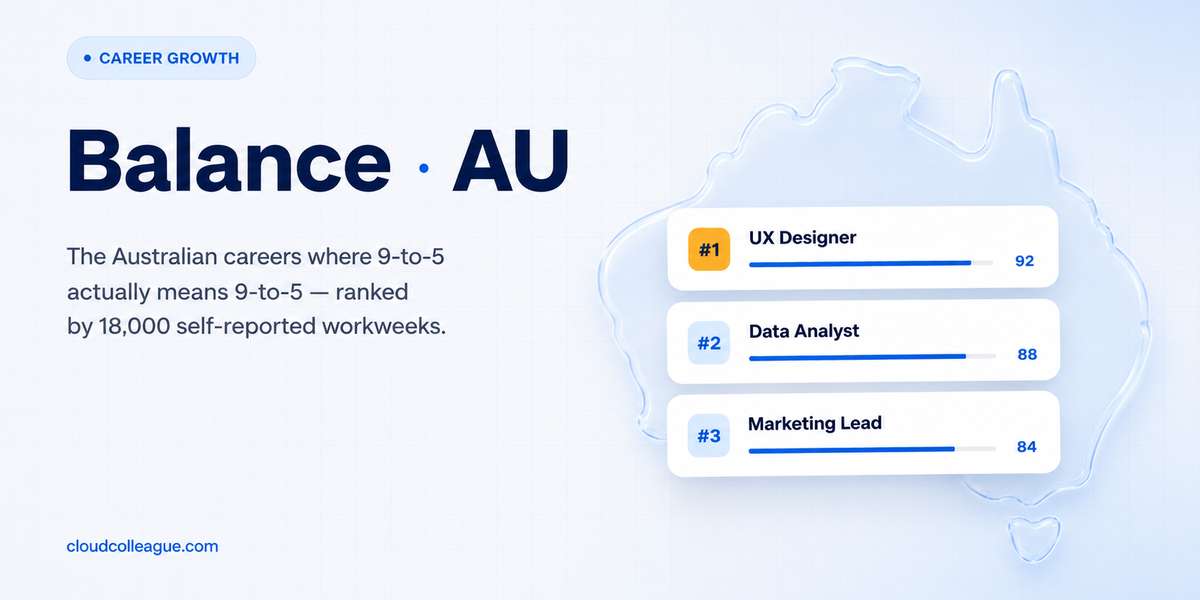
In 2026, work-life balance has become a key priority for professionals across Australia. Careers in digital marketing, data analysis, project management, education, software development, and healthcare support consistently offer better balance compared to high-pressure industries.
However, the best career is not only about balance. It is about finding a role that matches your skills, personality, and long-term goals.
A good career should allow you to earn well, grow steadily, and still have time for your personal life. In today’s job market, that combination is more achievable than ever.Ready to build a career? Start applying today at CloudColleague. Browse Jobs, Freelance tasks, and various opportunities from today.
Frequently Asked Questions
Digital marketing, education, data analysis, and project management are often considered the most balanced due to structured or flexible work models.
Yes, especially in established companies where work is structured into cycles and remote work is supported. Startup environments may be more demanding.
Data analysis, certain tech roles, and project management in structured organizations can offer a balance of income and manageable workload.
Yes, but it usually depends on role structure and company culture rather than industry alone. Structured knowledge-based roles often offer the best combination.