Common interview questions decide most hiring outcomes before technical skills ever get tested. Recruiters ask the same core questions across industries, because past behaviour predicts future performance. Consequently, candidates who prepare structured answers hold a real advantage.
This guide covers the 25 questions Australian interviewers ask most in 2026. You will learn why each one gets asked, how to answer it, and how to practise. Then you can rehearse for real inside CloudColleague’s built-in video and chat interviews.
| Want a head start? Start as a seeker on CloudColleague, go through our guide on interview tips. |
What Are the Most Common Interview Questions in 2026?
The most common interview questions cover four classics. They are “tell me about yourself”, “strengths and weaknesses”, “why this job” and “why hire you”. Behavioural questions about conflict, failure, deadlines and teamwork appear almost as often. Interviewers also regularly ask about salary expectations and career goals.
Structured interviewing keeps growing because it predicts performance well. Research published in the Journal of Applied Psychology rates structured behavioural interviews among the strongest hiring tools available. Therefore, expect the same question patterns everywhere, from startups to government panels.
Preparation beats improvisation every time. The 25 common interview questions below cover the patterns, grouped into four categories.
Common Interview Questions About You (Questions 1 to 6)
These common interview questions frame how the interviewer sees everything that follows. Prepare each one thoroughly.
1. Tell Me About Yourself
Why they ask: to see how you frame your value quickly. Keep your answer to about 90 seconds. Cover who you are professionally, what you do well, and why you are here. Skip your life story. For a full structure, see our guide to answering tell me about yourself.
2. What Are Your Greatest Strengths?
Why they ask: to match your value to their needs. Name two or three strengths relevant to the role. Then prove each with a brief, specific example. Evidence beats adjectives. “I led three projects to early delivery” lands harder than “I am organised”.
3. What Is Your Biggest Weakness?
Why they ask: to test self-awareness and growth. Choose a genuine weakness, never a disguised brag. Then show the concrete step you are taking to improve it. For example, “I am building public-speaking confidence by presenting at fortnightly team meetings”.
4. Why Should We Hire You?
Why they ask: to hear your value proposition in one shot. Connect your top skills directly to their stated needs. Reference the job ad’s own language. Close with one measurable achievement that proves you deliver.
5. Where Do You See Yourself in Five Years?
Why they ask: to check ambition against retention. Show a direction, not a rigid plan. Link your growth goals to the role and company honestly. Avoid answers that signal you will leave quickly or want the interviewer’s job tomorrow.
6. Can You Walk Me Through Your Resume?
Why they ask: to hear the story behind the document. Move chronologically but emphasise transitions and decisions. Explain why you moved, not just where. Keep it under three minutes and land on why this role fits next.
A sharp answer to question one starts with a sharp profile. Create your free verified profile on CloudColleague and refine your professional story before the interview does it for you.
Motivation and Fit Questions (Questions 7 to 12)
Interviewers use these common interview questions to test genuine interest and cultural fit. Generic answers fail here fastest.
7. Why Do You Want This Job?
This ranks among the most common interview questions because it separates genuine interest from mass applications. Connect your skills and goals to this specific role. Reference something real about the position. Specificity signals effort, and effort signals motivation.
8. Why Do You Want to Work Here?
Why they ask: to see whether you researched the company. Mention a product, project, value or recent development that genuinely attracts you. Then link it to what you offer. Never recite the About page back to them.
9. Why Are You Leaving Your Current Job?
Why they ask: to check for red flags. Stay positive and forward-looking. Frame the move as growth toward something, not escape from something. Never criticise your current employer, even if criticism feels justified.
10. What Motivates You?
Why they ask: to check cultural fit. Be honest about what drives you, then link it to the role. Motivation grounded in real examples sounds authentic. Motivation copied from a template sounds hollow.
11. Describe Your Ideal Work Environment
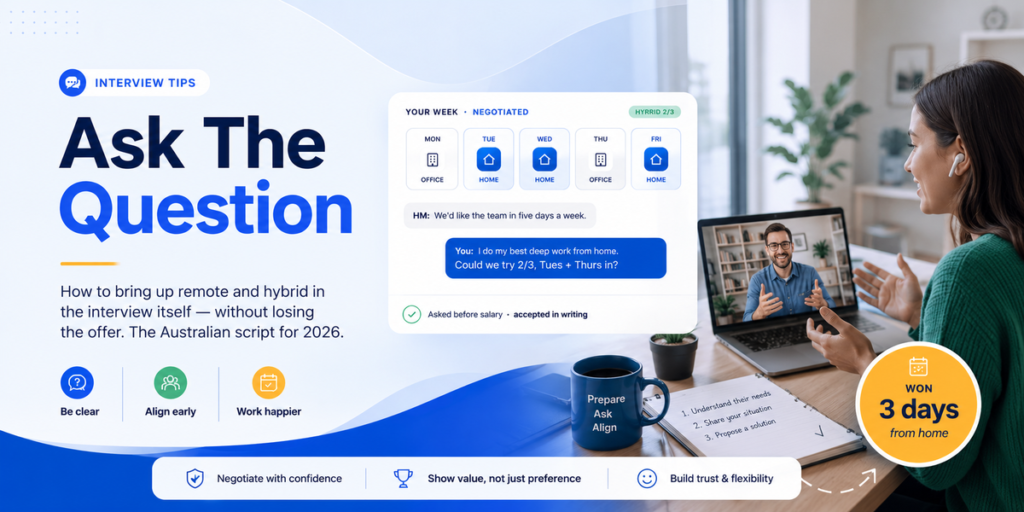
Why they ask: to test alignment with how they actually operate. Research their setup first, whether remote, hybrid or on-site. Then describe preferences honestly with flexibility. Rigid answers can filter you out of otherwise winnable roles.
12. How Do You Handle Feedback?
Why they ask: to gauge maturity and coachability. Show that you welcome feedback and act on it. Give one short example of improving after input. Defensiveness here costs more offers than any weak technical answer.
Behavioural Interview Questions and the STAR Method (Questions 13 to 19)
Behavioural questions dominate the common interview questions asked in 2026. They start with “tell me about a time” and demand real examples.
How the STAR Method Works
The STAR method structures behavioural answers in four steps. Situation sets the scene in two or three sentences. Task defines your specific responsibility. Action describes what you personally did, which should form most of your answer. Result states the measurable outcome. Say “I”, not “we”, throughout the action step.
13. Tell Me About a Challenge You Overcame
Pick a genuine workplace challenge with stakes. Spend most of your answer on the actions you took. Then quantify the result. “Recovered the project two weeks before deadline” beats “it worked out well”.
14. Describe a Conflict With a Coworker
Why they ask: to predict how you handle friction. Choose a professional disagreement, not a personality clash. Show listening, compromise and a working relationship afterwards. Blame-heavy answers fail instantly.
15. Tell Me About a Time You Failed
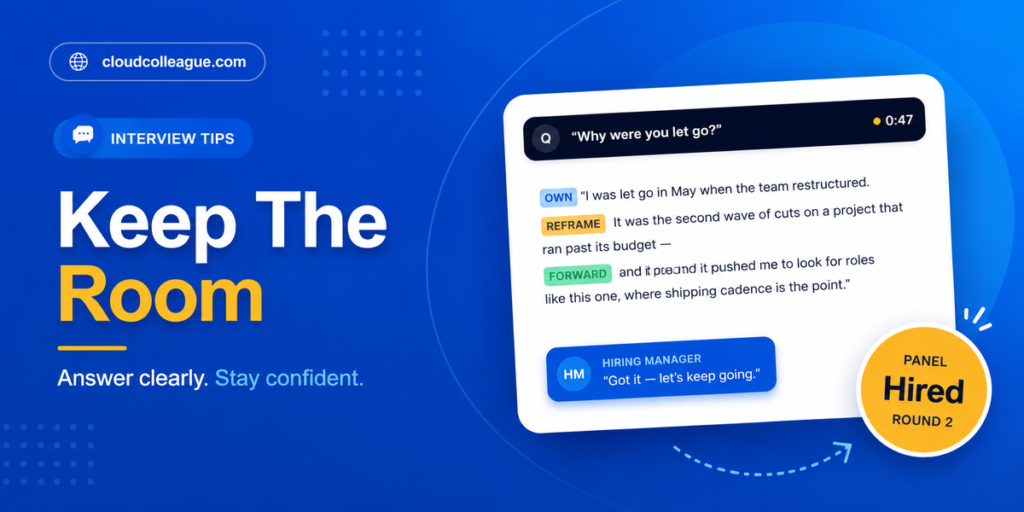
Why they ask: to test honesty and learning. Choose a real failure, own it fully, then spend most of the answer on what changed afterwards. Growth after failure signals resilience, which employers value highly in 2026.
16. Describe a Time You Led a Team
Leadership versions of common interview questions apply even without a formal title. Describe how you organised people, handled a setback and delivered. Credit the team in the result, but keep the actions yours. Numbers strengthen every leadership story.
17. Tell Me About Meeting a Tight Deadline
Show a method, not just effort. Explain how you prioritised, communicated and adjusted. Then land the result with a timeframe. Composure under pressure is the real subject of this question.
18. Describe Adapting to a Big Change
Why they ask: adaptability ranks among the most demanded skills of 2026. Show how you embraced a change positively and created value from it. Quantify the benefit where honest data exists.
19. What Is Your Proudest Professional Achievement?
Choose an achievement relevant to the target role. Structure it with STAR and finish on impact. Additionally, pick something recent enough to reflect your current capability.
Behavioural answers improve fastest with practice out loud. CloudColleague’s built-in video and chat interviews let you rehearse in the same format Australian employers now use. Delivery matters too, so review our virtual interview tips before camera day.
Situational and Tricky Questions (Questions 20 to 25)
These common interview questions test judgement under ambiguity. Structure and honesty carry you through.
20. How Do You Handle Competing Priorities?
Describe a practical system, such as impact-based ranking or calendar blocking. Then back it with one real example. Interviewers want evidence of method, not claims of multitasking.
21. What Would You Do If You Disagreed With Your Manager?
Show respect plus backbone. Explain that you would raise the disagreement privately, with evidence, and commit to the final decision. A short real example strengthens the answer considerably.
22. What Are Your Salary Expectations?
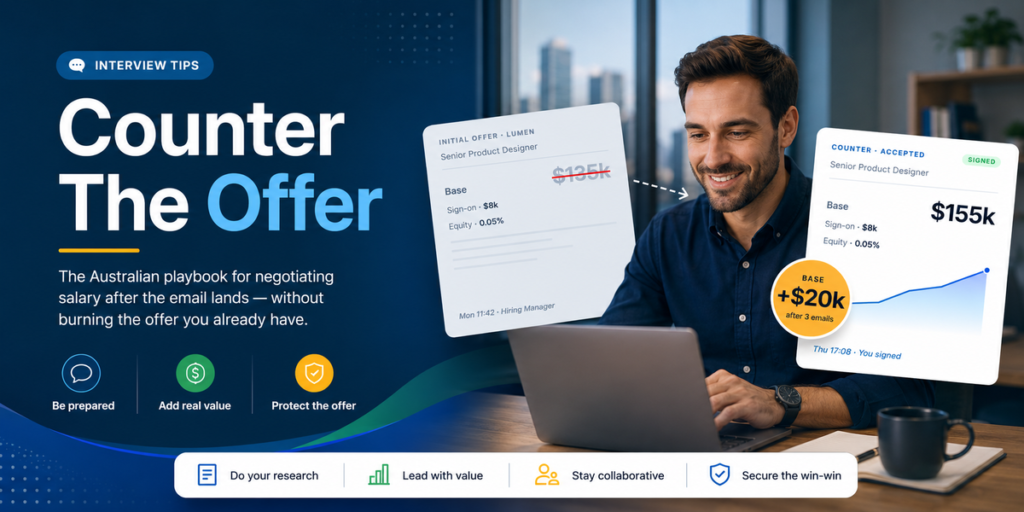
Research first, answer second. Give a realistic range based on current Australian market data, then signal flexibility. Our salary guide covers typical ranges across major Australian roles. Never apologise for knowing your worth.
23. Can You Explain This Gap in Your Resume?
Answer briefly, honestly and without apology. Name the reason, mention anything you learned or maintained, and return focus to your readiness now. Confidence closes gaps faster than elaborate justification.
24. What Would You Do in Your First 90 Days?
Show a listen-then-act plan. First month: learn systems and stakeholders. Second: contribute to live work. Third: own outcomes. Tailor the specifics to the role, because generic plans impress nobody.
25. Do You Have Any Questions for Us?
Never say no. Ask about success measures, team structure or growth pathways. Thoughtful questions signal genuine interest. This moment is also your interview of them, so use it.
| Want to skip interviews? CloudColleague also provides professionals with an option for freelance tasks. Go through guides on tasks and how bidding works to learn more about online and freelance tasks. |
How to Prepare Answers That Sound Like You?
Memorised answers to common interview questions collapse under follow-up probing. Instead, build a story bank. Choose six to eight strong experiences covering leadership, conflict, failure, teamwork and pressure. Then map each story to multiple common interview questions.
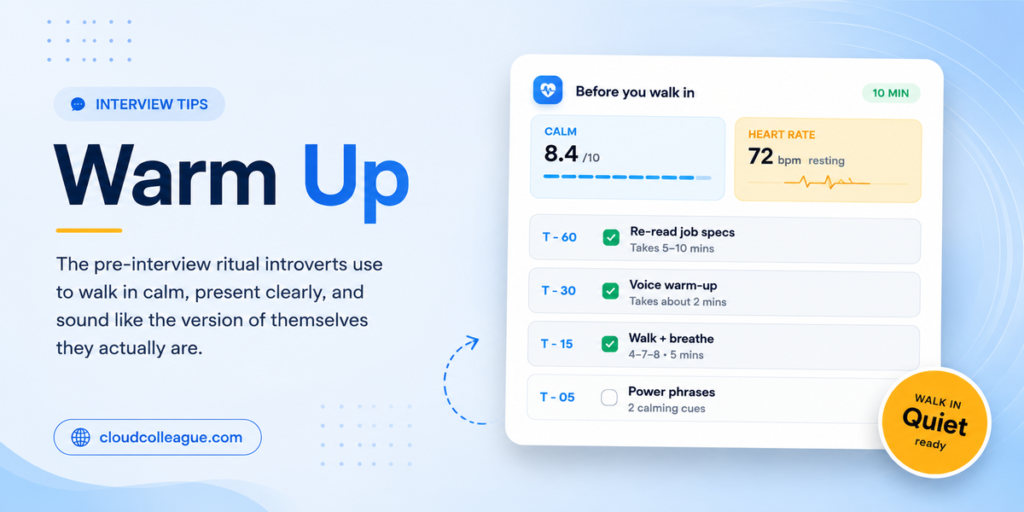
Practise each answer to these common interview questions out loud until it runs under 90 seconds. Recording yourself reveals pacing problems that silent rehearsal hides. Furthermore, adapt stories per role rather than reciting them identically. Our complete guide to interview preparation covers research, logistics and follow-up.
Ground your preparation in real demand. Browse live jobs on CloudColleague and note which competencies Australian employers actually list. Then build stories that prove exactly those skills.
Practise Common Interview Questions on CloudColleague
You now hold answers to the 25 most common interview questions of 2026. Preparation without applications goes nowhere, though. The candidates who win offers pair rehearsed stories with a steady application pipeline.
CloudColleague brings both together. Create a free verified profile, and AI matching surfaces Australian jobs and tasks that fit your skills. Built-in video and chat interviews mean you practise and perform on the same platform. Task workers also receive same-day Stripe payouts with a transparent 7 percent commission.
| Your answers are ready, so give them somewhere to go. Sign up free on CloudColleague and start interviewing for roles that match you. |
Frequently Asked Questions About Common Interview Questions
Candidates struggle most with five questions. They are your biggest weakness, why you are leaving, resume gaps, salary expectations and past failures. Each rewards honest preparation over improvisation. Prepare a structured answer for all five before any interview, because at least one usually appears.
Aim for 60 to 90 seconds per answer. Behavioural STAR answers can stretch slightly longer, but stay under two minutes. Shorter answers suit factual questions. Watch the interviewer for engagement cues, then expand or wrap up accordingly. Rambling past two minutes loses attention and buries your strongest points.
STAR stands for Situation, Task, Action and Result. Describe the context briefly, define your specific responsibility, explain the actions you personally took, then state the measurable outcome. The action step deserves most of your time. This structure keeps behavioural answers clear, credible and easy for interviewers to score.
Draw examples from study projects, volunteering, casual work and team activities. The STAR structure works identically for any setting. Employers assess how you think and behave, not just where you worked. Additionally, emphasise transferable skills like communication, reliability and problem solving, backed with specific small-scale results.
Never criticise a former employer, admit to lying, or say you have no questions. Avoid “I don’t know” without a follow-up, and never discuss salary aggressively in round one. For the full list of offer-killing errors, read our guide to common interview mistakes