Summary: The best questions to ask interviewer panels cover the role, team, culture, growth and next steps. Prepare five, ask three or four, and never say you have none. Research links thoughtful questions directly to higher offer rates. Practise your delivery in CloudColleague’s built-in video interviews before the real conversation.
| Want a head start? Start as a seeker on CloudColleague, go through our guide on interview tips. |
Why Your Questions Matter?
| Signal | Reported finding |
| Offer rate | Candidates asking 5 to 7 strategic questions received offers 1.4x more often (Robert Half) |
| Recruiter influence | Over 90% of employers say candidate questions shape fit assessment |
| Culture questions | 76% of recruiters say culture and values questions boost candidate appeal (SHRM) |
| Recommended count | Prepare five questions, ask three or four aloud |
Figures reflect published research findings, not guarantees.
Why Questions to Ask the Interviewer Matter More in 2026?
Smart questions to ask interviewer panels flip the closing dynamic entirely. Suddenly you hold the microphone, and the interviewer becomes the subject. Smart candidates use this window deliberately. Weak candidates shrug it away and lose ground.
The evidence is consistent. Robert Half research links strategic questioning to measurably higher offer rates. Furthermore, most employers openly admit candidate questions influence their fit assessment. Your questions signal preparation, judgement and genuine interest in one move.
Interviews are a two-way evaluation. You are choosing them as much as they are choosing you. Therefore, the right questions to ask interviewer panels serve two goals at once. They impress the room, and they protect you from accepting the wrong role. This guide expands on question 25 from our list of common interview questions.
Questions About the Role and Success Measures
Role-focused questions to ask interviewer panels show you are already thinking like an employee. These four work in almost every interview.
“What does success look like in this role in the first 90 days?” This reveals real expectations. It also gives your follow-up email a hook.
“What does a typical day actually look like?” Job ads describe titles, not work. This question uncovers the reality.
“What is the most challenging part of this position?” Interviewers respect candidates who want the hard truth early.
“What qualities make someone excel here?” The answer hands you the exact traits to emphasise in later rounds.
Pick the two questions to ask interviewer panels that fit your situation best. Consequently, you leave room for spontaneous questions that arise during conversation.
Questions About the Team and Manager
Team questions to ask interviewer panels reveal daily working life. They also flatter thoughtfully, because people enjoy describing their teams.
- “How would I collaborate with my direct manager?” This surfaces management style before you commit to it.
- “How is the team structured, and who would I work with most?” Structure signals stability, growth or churn.
- “How does the team handle disagreement or competing priorities?” The answer exposes culture faster than any values statement.
Listen actively to these answers. Additionally, note anything vague or defensive. Evasive answers about management style are data too.
Questions About Culture and Growth
Culture and growth questions to ask interviewer panels carry unusual weight. SHRM research shows 76 percent of recruiters rate them as boosting candidate appeal. They also protect your long-term interests.
“How do people actually experience work-life balance here, especially in busy periods?” The word “actually” politely bypasses the official policy.
“What professional development opportunities exist in this role?” Growth questions signal ambition with commitment, a combination employers love.
“Can you share an example of someone who progressed internally?” Real examples beat promises. No examples is also an answer.
Company research sharpens these questions considerably. Browse live roles on CloudColleague first, and study how Australian employers describe their teams and growth pathways. Then tailor your wording to each company.
Questions About Next Steps and the Hiring Process
Process questions to ask interviewer panels close the loop professionally. They show confidence without presumption.
“What are the next steps, and what is your timeline?” Every candidate should ask this. It sets follow-up expectations cleanly.
“Is there anything about my background giving you hesitation that I could address now?” This bold question invites objections while you can still answer them. Deploy it when rapport feels strong.
“What was your best moment at this company so far?” This warm closer leaves a personal, memorable final impression.
After your final questions to ask interviewer panels land, end with genuine thanks. Then send a short follow-up note within a day, referencing something specific from the conversation.
Questions to Avoid Asking the Interviewer
Not all questions to ask interviewer panels help you. Some damage strong candidacies in seconds. Avoid these five patterns.
Never ask what the company does. That information sits on their website, and the question advertises zero preparation. Similarly, avoid anything answered by a basic search.
Delay salary, leave and benefits questions in first rounds unless the interviewer raises them. Timing matters more than the topic. Save negotiation for the offer stage, when your leverage peaks.
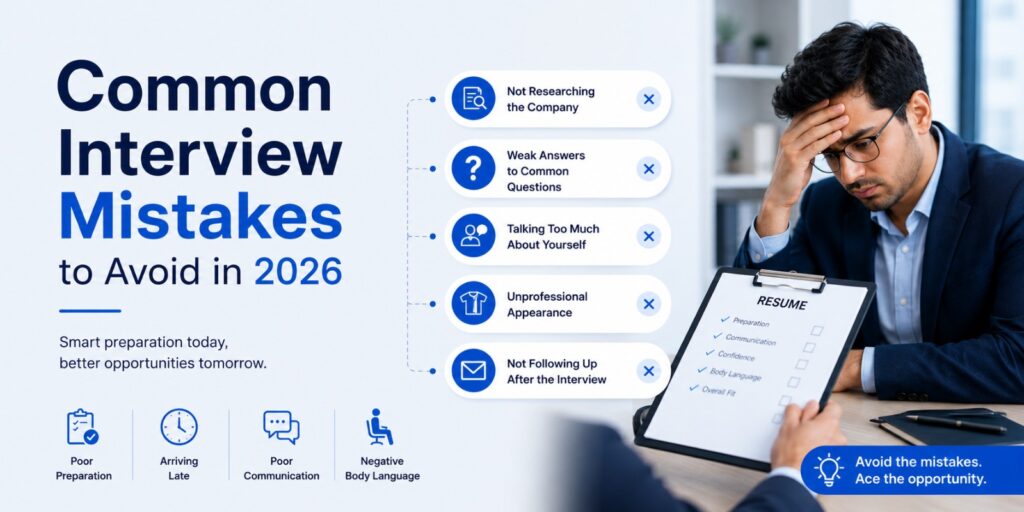
Never ask “did I get the job” or press for on-the-spot decisions. Likewise, skip questions about monitoring, dress codes or minimum hours. They signal the wrong priorities. For the broader list of offer-killers, read our guide to common interview mistakes.
| Want to skip interviews? CloudColleague also provides professionals with an option for freelance tasks. Go through guides on tasks and how bidding works to learn more about online and freelance tasks. |
How to Ask Interview Questions in Australia?
The best questions to ask interviewer panels in Australia follow local norms. Australian interview culture rewards directness with warmth. Ask plainly, without elaborate corporate framing. Interviewers here read excessive formality as distance.
Panel interviews are standard in government, universities and larger organisations. Direct each question to the panel generally, then hold eye contact with whoever answers. Additionally, thank the panel collectively at the close.
Most first rounds now happen on video. Delivery changes on camera, so rehearse your questions aloud beforehand. Our virtual interview tips cover camera presence, pacing and follow-up in detail.
CloudColleague makes that rehearsal practical. Built-in video and chat interviews let you practise questions in the same format Australian employers use. Create a free verified profile, browse and apply for live jobs, and your next real interview happens on the same platform.
Practise Your Questions to Ask the Interviewer on CloudColleague
You now hold twenty smart questions to ask interviewer panels, plus the traps to avoid. Preparing questions to ask interviewer panels converts the final five minutes from formality into advantage. The data says those minutes move offers.
CloudColleague turns preparation into applications. AI matching connects your verified profile to Australian jobs and tasks that fit your skills. Built-in video and chat interviews mean practice and performance happen in one place. Task workers also receive same-day Stripe payouts with a transparent 7 percent commission.
Are you looking for employees? Start as a employer on CloudColleague and start hiring your required canddates.
| Your questions are ready, so book the interviews that deserve them. Sign up free on CloudColleague and get matched today. |
Frequently Asked Questions
Prepare five questions and ask three or four aloud. This shows preparation without stretching the interviewer’s time. Robert Half research links five to seven strategic questions across an interview to higher offer rates. Quality beats quantity, so choose questions the conversation has not already answered.
“What does success look like in this role in the first 90 days?” consistently performs best. It signals outcome-focused thinking, reveals real expectations, and hands you material for your follow-up note. Pair it with one culture or team question to show interest beyond the tasks themselves.
In a first interview, usually yes. Raising pay before demonstrating value weakens your position, and many interviewers read it as premature. Let the employer raise compensation first, or wait for later rounds. Research market ranges beforehand so you can answer confidently whenever the topic arrives.
First rounds suit role clarity and team questions. Final rounds suit strategy, growth pathways and the hesitation question, because rapport supports bolder asks. Adjust to each interviewer too. Ask managers about the team, and ask executives about direction. Our interview preparation guide maps questions to each stage.
Yes, it genuinely can. Most employers say candidate questions shape their assessment, and silence reads as low interest or poor preparation. Even after a long interview, ask at least one thoughtful question. “What does success look like in 90 days?” works even when everything else feels covered.