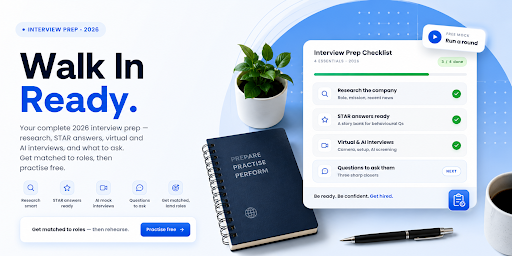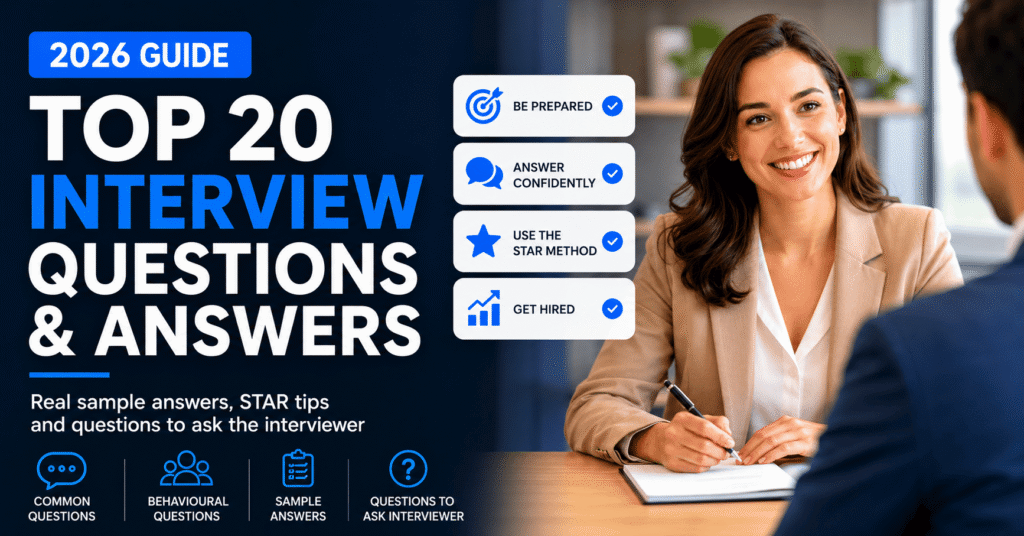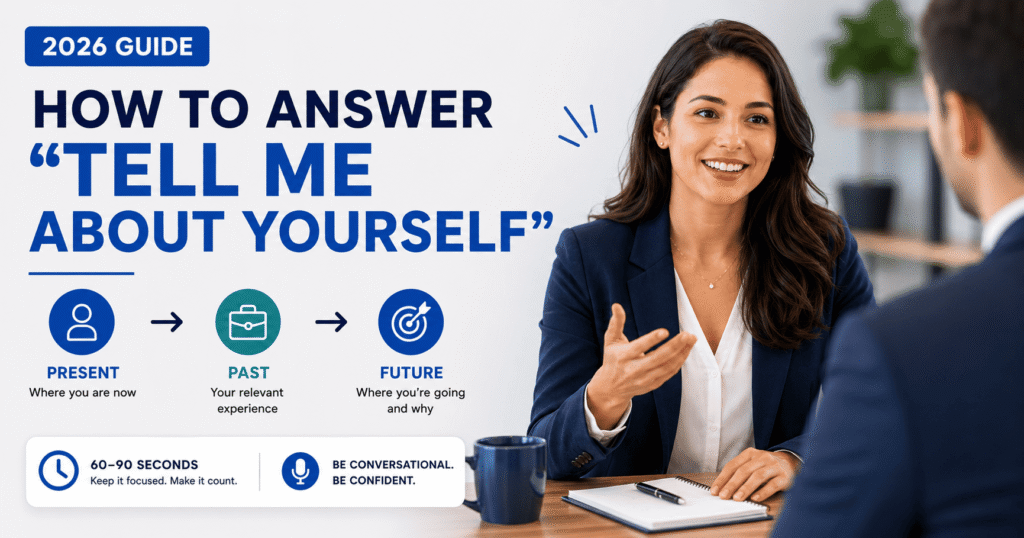
The interview is over, and now comes the hard part: waiting. Your mind replays every answer, and you wonder what to do next. The truth is that what you do after an interview still shapes the outcome. So this stage is not idle time.
A smart follow-up can keep you top of mind, while the wrong move can cost you the role. Equally important is what you do while you wait. This guide walks you through exactly what to do after an interview, from the thank-you note to handling silence, and why you should keep applying throughout. By the end, you will turn nervous waiting into productive momentum.
| Are you still stuck on interview? Start as a Seeker on CloudColleague, learn interview tips and start applying. |
Send a Thank-You Email Within 24 Hours
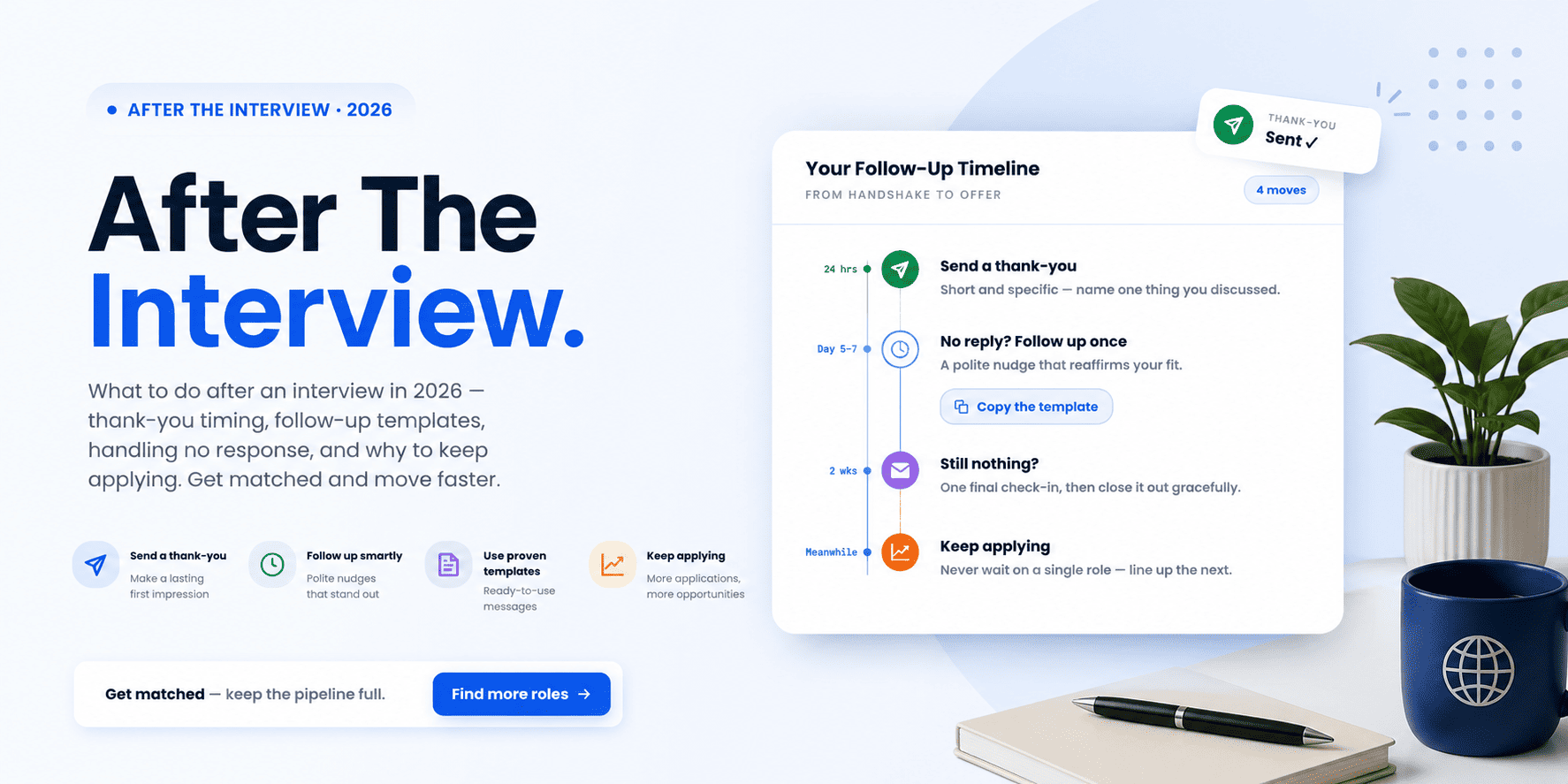
Your first move is the most important, and most candidates skip it. Send a thank-you email within 24 hours of your interview. This small step keeps you fresh in the interviewer’s mind and shows real professionalism.
Keep it short and specific, around three or four sentences. Thank them for their time, reference one detail from the conversation, and reaffirm your interest. A line like “I enjoyed discussing your team’s expansion plans” makes it personal. Even a recruiter screening call deserves a brief thank-you, because most people never send one.
How to Follow Up After an Interview?
Following up is not desperate, so do it with confidence. In fact, not following up means leaving opportunities on the table. The key is to add value, never to simply chase.
Keep every message short, specific, and purposeful. Restate your interest, and offer any extra information that strengthens your case. Avoid a bland “just checking in,” because it gives the reader nothing to respond to. Instead, reference a real point from your conversation to jog their memory.
How Long to Wait Before Following Up
Timing matters, so match it to the interview type. After a phone screen, send your thank-you the same day. After a video or in-person interview, wait about five to ten business days before checking in. If the employer gave you a decision date, wait one business day past it before reaching out.
How Often Is Too Often?
There is a fine line between keen and annoying. Research shows 36 percent of hiring managers view follow-up as a positive sign of interest. However, 31 percent feel annoyed by candidates who chase too often. So follow up purposefully, not repeatedly, and give them room to respond.
Follow-Up Email After No Response
Silence is frustrating, but it is rarely personal. So handle it calmly and professionally. Hiring processes often take longer than expected.
Wait a reasonable window, then send one polite check-in that references something specific. If you still hear nothing, allow another five to ten business days before a final, brief message. After about three unanswered attempts, it is wise to step back. A lack of response usually signals a no, so redirect your energy without burning the bridge.
What to Do After an Interview While You Wait?
Waiting does not mean doing nothing. In fact, this is your most valuable window. So stay active and proactive.
Start by reflecting honestly on the interview. Note what went well and what you would improve next time. Then keep building your professional network and learning. Above all, do not put your job search on hold while you wait for one answer.
Should You Keep Applying After an Interview?
This is the question that trips up many candidates. The answer is simple: yes, absolutely keep applying. A single promising interview is never a guarantee of an offer.
Job hunting is partly a numbers game, so momentum protects you. When you keep applying for jobs after an interview, one disappointing outcome never stalls your whole search. You also keep your options open and your confidence high. The smartest move is to keep your pipeline full, so you always have something else in motion. You can browse matched roles on CloudColleague and keep your applications flowing.
Read Next: Best Interview Tips to Get Hired Faster in 2026
What to Do If You Get the Offer?
Good news deserves a clear plan too. So be ready before the call comes. Review the offer carefully, including salary, benefits, and conditions.
Take time to assess whether it fits your goals, and do not feel pressured to answer instantly. Know your worth before negotiating, using our salary insights for Australia to set a realistic range. Then respond professionally and promptly once you decide.
Read Next: How to Negotiate Salary After Receiving a Job Offer in 2026: The Australian Guide
What to Do After a Rejection?
A rejection stings, but it is not the end. So treat it as fuel, not failure. Every interview sharpens your skills for the next one.
Where appropriate, ask politely for feedback, since it can reveal useful patterns. Then reflect, adjust, and keep moving forward. To strengthen your approach, see our guide to the best interview tips. And to prepare thoroughly for the next round, revisit our guide to interview preparation.
| Want to skip interviews? CloudColleague also provides professionals an option for freelance tasks. Go through guides on tasks and how bidding works to more about online and freelance tasks. |
Common Follow-Up Mistakes (Quick Note)
A few errors can undo good follow-up. These include chasing too aggressively, sending generic messages, and forgetting to proofread. For the full list of errors and how to avoid them, see our guide to common interview mistakes.
Keep Your Pipeline Full and Get Hired Faster
Here is the single best thing to do after an interview. Keep interviewing. The candidates who get hired faster never rely on one opportunity alone.
CloudColleague makes that easy. You get matched to more suitable Australian roles, set alerts for new openings, and keep applying without the endless scrolling. So while one process plays out, others keep moving. That steady momentum is what shortens your job search and reduces the stress of waiting on a single answer. Set up match alerts and built-in tools to keep your pipeline full automatically.
| Are you actively hiring? Start as an employer on CloudColleague and start hiring from today. |
Into Your Journey
Knowing what to do after an interview turns anxious waiting into real momentum. Send a specific thank-you within 24 hours, follow up with purpose, and handle silence with grace. Then, whatever the outcome, keep applying so your search never stalls.
So take control of the wait, and keep your options open. Get started on CloudColleague, get matched to more roles, keep your pipeline full, and put yourself in the best position to get hired faster.
| Don’t wait on one result. Create your free CloudColleague profile and keep your pipeline full today. |
Frequently Asked Questions
Send a thank-you email within 24 hours, then follow up politely if you hear nothing after five to ten business days. Reflect on your performance, and keep applying to other roles so your search keeps moving.
Send it within 24 hours of the interview. Keep it to three or four sentences, reference a specific point from the conversation, and reaffirm your interest. Even a recruiter screening call deserves one.
Wait five to ten business days, then send one short, specific check-in. If you still hear nothing, send one more after a similar gap. After about three attempts, step back and focus your energy elsewhere.
Yes, always. One interview is never a guarantee, so keep applying to protect your momentum. Keeping your pipeline full means a single rejection never stalls your search.
You can create a free CloudColleague profile, get matched to suitable roles, and set alerts so new opportunities keep coming while you wait.