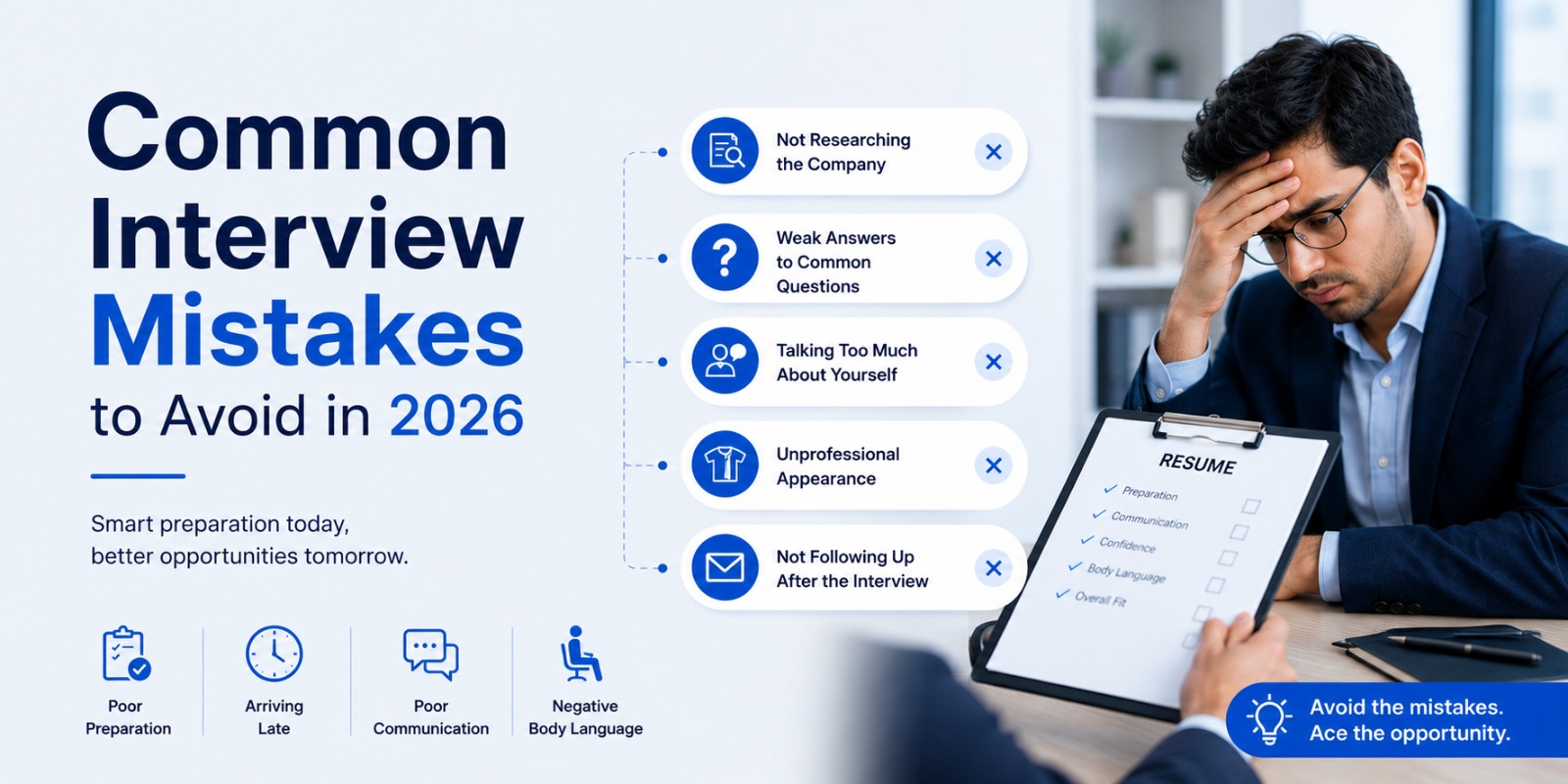
Most candidates do not lose offers because they lack the skills. They lose them by making small, avoidable interview mistakes. A weak first impression or a rushed answer can quietly undo months of preparation. The good news is that these errors are common and easy to fix.
The stakes have also shifted in 2026. With virtual interviews now standard, your setup and body language matter as much as your answers. So one missed detail can cost you the role. This guide walks through the most common interview mistakes, explains why each one hurts, and shows you how to fix it fast.
| Want some free interview questions? Start as a Seeker on CloudColleaue and go through our guide on Top 20 Interview Questions and Answers (2026) |
Why Small Interview Mistakes Cost You Offers?
Interviews are partly subjective, so first impressions carry real weight. Interviewers often rely on gut feelings about how confident and engaged you seem. As a result, non-verbal cues can shape their view before you even speak.
That is why small slips matter so much. A strong candidate can still lose out to an avoidable error. These mistakes usually fall into a few groups: poor preparation, weak answers, body language, virtual setup, attitude, and follow-up. Fix those, and your chances rise sharply.
Read Next: How to Answer “Tell Me About Yourself” (With Examples)
Mistake 1: Not Researching the Company
Walking in without research is one of the biggest interview mistakes. In 2026, interviewers expect you to know their work and reference specifics.
Why it hurts: generic answers signal low interest and poor preparation. They suggest you would treat the job the same way.
How to fix it: study recent news, the role, and the company’s goals before you arrive. Then weave one genuine detail into your answers. For a full research method, see our guide to interview preparation.
Mistake 2: Rambling or Vague Answers
How you deliver an answer matters as much as the content. Too much detail loses the interviewer, while too little leaves them unconvinced.
Why it hurts: rambling buries your point, and vague replies fail to prove your value. Both create a weak impression.
How to fix it: keep answers concise and structured, and lead with the point. Use the STAR method for behavioural questions. The opener trips up many people, so see our guide on how to answer tell me about yourself.
Mistake 3: Weak Body Language
Your body speaks before you do. Slouching, fidgeting, and avoiding eye contact all undercut your words.
Why it hurts: poor posture and a limp handshake read as low confidence. Crossed arms can signal disinterest or resistance.
How to fix it: sit upright with relaxed shoulders, and keep your feet planted. Offer a handshake that is firm yet friendly, and maintain steady eye contact. Above all, keep your hands calm rather than fidgeting.
Mistake 4: Virtual Interview Slip-Ups
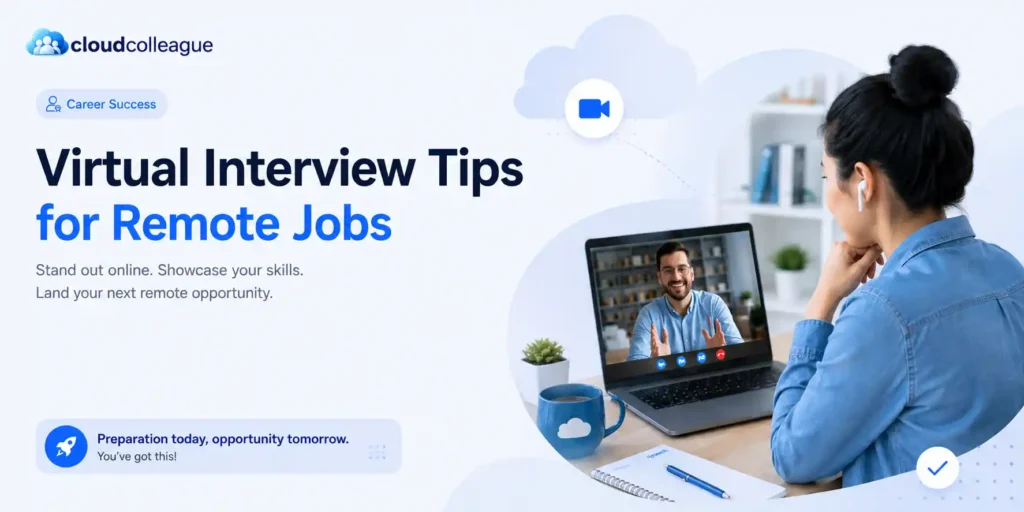
Virtual interviews dominate hiring in 2026, yet many candidates still stumble on the basics. These errors are entirely avoidable with a little setup.
Why it hurts: tech glitches, poor lighting, messy backgrounds, and looking at the screen instead of the camera all undermine you. They distract from your answers and look unprofessional.
How to fix it: test your camera, audio, and connection well ahead of time. Log in 15 minutes early, set clean lighting and a tidy background, and look into the lens. Keep a backup device or hotspot ready, just in case.
Mistake 5: Speaking Negatively About a Past Employer
It can be tempting to vent about a bad boss or role. Resist that urge completely.
Why it hurts: badmouthing a former employer reads as a major red flag. It makes interviewers wonder how you would speak about them.
How to fix it: stay positive, and frame your move around growth. Focus on what you want next, not what went wrong before.
Mistake 6: Using the Wrong Tone for the Setting
Tone is easy to misjudge, and both extremes hurt. Too casual seems unprofessional, while too stiff seems robotic.
Why it hurts: a mismatch with the company culture makes you seem out of place. Interviewers notice when you do not read the room.
How to fix it: pay attention to the interviewer’s tone early on. Are they formal and reserved, or warm and relaxed? Then mirror their style while staying professional.
Mistake 7: Not Asking Any Questions
When the interviewer asks if you have questions, “no” is the wrong answer. It quietly damages your chances.
Why it hurts: having no questions signals low interest and weak preparation. It wastes a chance to show genuine engagement.
How to fix it: prepare three or four thoughtful questions about the team, the role, and growth. If pay comes up, research a realistic range first, using our salary insights for Australia.
Mistake 8: Poor or No Follow-Up
The interview does not end when you leave the room. What you do next still counts.
Why it hurts: skipping a thank-you can read as indifference, while chasing too aggressively seems pushy. Both leave the wrong impression.
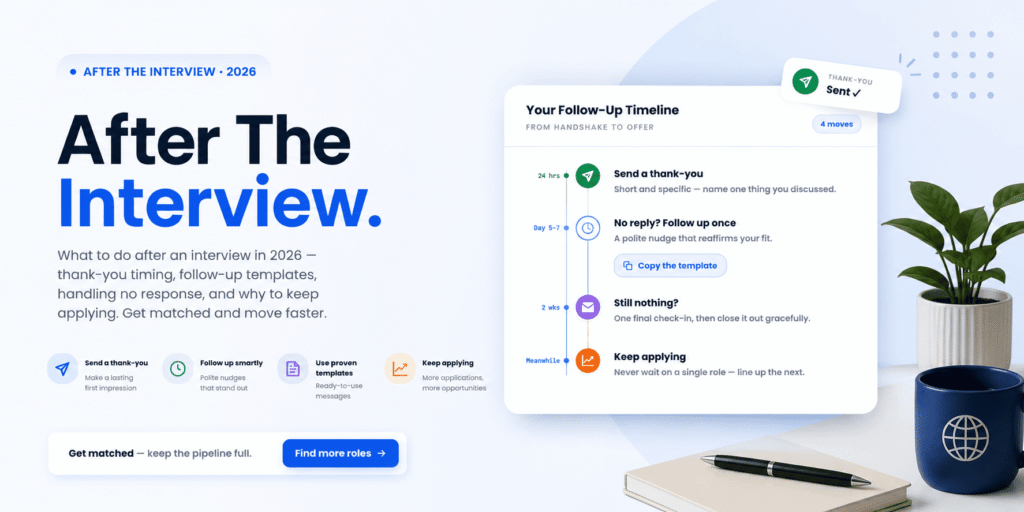
How to fix it: send a short, genuine thank-you note within a day. Then wait patiently for a reply. Whatever the outcome, never burn a bridge, because a future role may open later.
How to Catch These Mistakes Before Your Interview?
Here is the hard truth about interview mistakes. You cannot fix what you cannot see, and nerves hide your own habits. So practise under realistic conditions before the real thing.
CloudColleague helps you do exactly that. You build your profile, get matched to Australian roles, and rehearse through built-in video and chat interviews. That lets you fine-tune your setup, body language, and answers before they count. Browse live jobs to find roles that fit your skills.
Most interview mistakes are common, predictable, and easy to fix. Research the company, keep answers concise, and mind your body language and virtual setup. Then stay positive, ask thoughtful questions, and follow up with care.
So review this list, fix the red flags, and practise before the real thing. Build your profile, get matched, and walk into your next interview ready to impress.
| Are you actively hiring? Start as an employer on CloudColleague and start hiring from today. |
| Stop losing offers to avoidable errors. Create your free CloudColleague profile and practice with confidence. |
Frequently Asked Questions
Two stand out: failing to research the company, and a weak virtual setup. Both signal poor preparation. Research the role beforehand, and test your tech, lighting, and background before any video interview.
Avoid slouching, fidgeting, crossed arms, and poor eye contact. These read as low confidence or disinterest. Sit upright, keep steady eye contact, and offer a firm, friendly handshake.
Test your camera, audio, and connection in advance, and log in early. Set clean lighting and a tidy background, look into the lens, and keep a backup connection ready in case of glitches.
Yes. Always prepare three or four thoughtful questions. Saying you have none signals low interest. Ask about the team, success in the role, and growth opportunities.
You can get matched to roles on CloudColleague and rehearse through the platform’s built-in video and chat interviews, so your delivery and setup feel natural on the day.