Operational cost reduction is no longer about cutting headcount or freezing budgets.For modern businesses, especially those scaling or operating in competitive markets, the real savings come from removing inefficiency at the system level.
Bhumika Shrestha Tweet
This is where Business Analysts (BAs) play a critical role.
Business Analysts are hired to identify waste, streamline processes, and improve outcomes. Yet many organizations overlook one of the largest operational cost drivers entirely:
The way they hire.
In this guide, we explain:
How Business Analysts reduce operational costs in practice
Why hiring is a hidden source of long-term inefficiency
How hiring through CloudColleague supports cost-reduction strategies
Why traditional job platforms increasingly conflict with efficiency-focused operations
The Business Analyst’s Role in Operational Cost Reduction
A Business Analyst’s responsibility is not to “cut costs” in isolation — it is to redesign systems so waste no longer exists.
Typical cost-reduction activities include:
Mapping end-to-end workflows
Identifying duplicated effort and bottlenecks
Reducing manual intervention through automation
Improving accuracy, speed, and predictability
When these improvements are implemented correctly, organizations often see:
Lower operational labour hours
Fewer errors and rework cycles
Faster decision-making
Hiring inefficiencies undermine all of these gains.
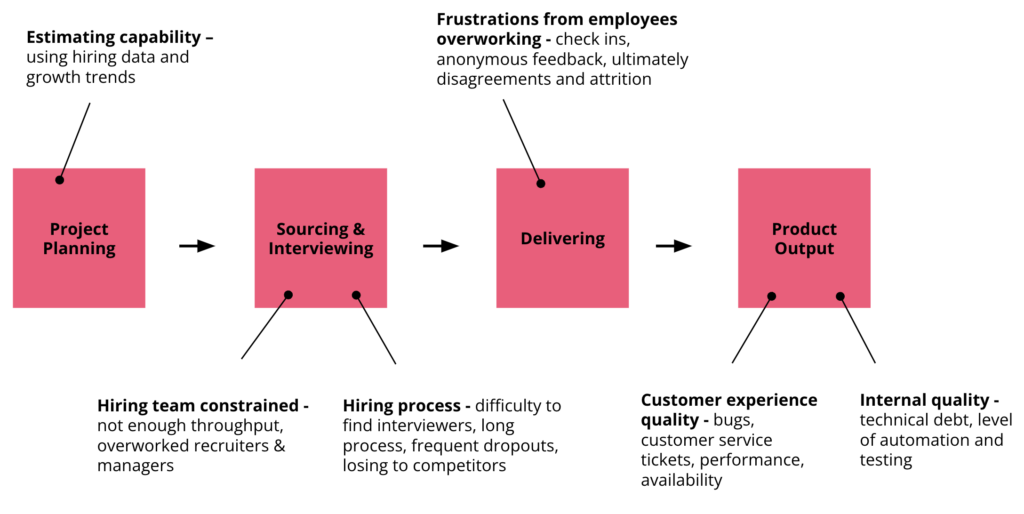
Why Hiring Is a Major (and Ignored) Operational Cost
From a Business Analyst’s perspective, hiring is not an HR task — it is a business process.
Poor hiring processes create:
Excessive screening time
High onboarding and training costs
Delayed productivity
Frequent role replacement
Even small inefficiencies compound.
For example:
An extra 10–15 hours spent screening per role
A slower ramp-up due to skill mismatch
Repeated hiring cycles
Across a year, this becomes a material operational cost.
The Structural Problem With Traditional Job Platforms
Traditional job boards were designed for reach, not relevance.
Platforms such as Seek and Airtasker still play a role in the hiring ecosystem — but from an efficiency standpoint, they introduce friction Business Analysts are trained to eliminate.
Common inefficiencies include:
High volumes of low-relevance applications
Manual screening that consumes skilled internal time
Limited insight into outcome suitability
Repeated spend for similar hiring needs
From an operational lens, this is process waste, not just recruitment cost.
How Business Analysts Evaluate Hiring Platforms
Business Analysts assess hiring systems using the same criteria they apply to any operational process:
Input quality vs output quality
Time-to-value
Repeatability
Waste reduction
When a platform increases noise, manual work, or rework, it fails those tests — regardless of brand recognition.
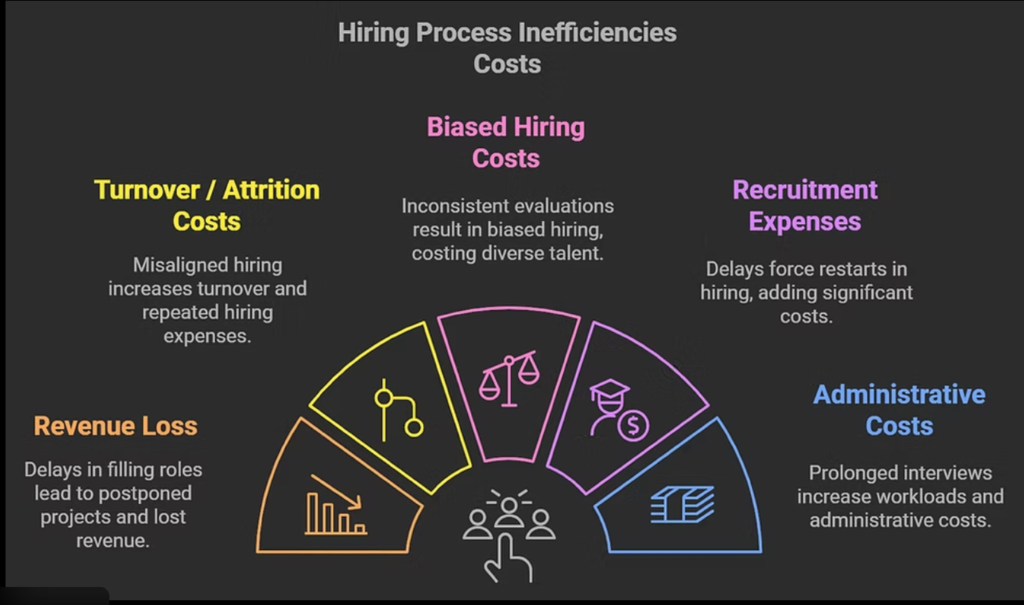
Why CloudColleague Aligns With Cost-Reduction Strategies
From a Business Analyst’s perspective, any system that reduces cost must be relevant, repeatable, and measurable. Hiring platforms are no exception.
This is precisely where CloudColleague aligns naturally with operational cost-reduction strategies.
CloudColleague is designed around clarity of roles, outcome-driven matching, and repeatable hiring workflows, which mirrors how Business Analysts approach process optimisation. Instead of increasing hiring volume, the platform focuses on improving signal quality, reducing waste across the hiring lifecycle, and lowering long-term operational costs.
Reduced Screening and Processing Time
One of the most immediate cost drivers in hiring is the time spent screening, filtering, and clarifying role requirements. Traditional hiring platforms often generate a high volume of applications with low relevance, forcing internal teams to invest significant labour hours in manual review.
CloudColleague reduces this inefficiency by emphasising clear role definitions and outcome-focused listings. When roles are defined by expected outcomes and relevant skills, businesses receive fewer but more suitable candidates. This significantly reduces irrelevant applications, manual filtering effort, and repeated back-and-forth clarification between hiring teams and candidates.
For Business Analysts, this directly translates into lower internal labour costs, shorter hiring cycles, and reduced operational drag during recruitment.
Add Your Heading Text HOutcome-Driven Role Matchingere
Generic job descriptions often fail to communicate what success in a role actually looks like. This mismatch leads to poor hiring decisions, longer onboarding periods, and increased rework — all of which inflate operational costs over time.
CloudColleague takes an outcome-driven approach to role matching by prioritising skills aligned to business outcomes, clearly defined expectations, and fit-for-purpose engagement models. Instead of hiring based solely on titles or resumes, businesses connect with professionals whose capabilities directly support operational goals.
Business Analysts prioritise this model because predictable inputs create predictable outputs. When roles are matched to outcomes rather than assumptions, organisations experience improved productivity, faster time-to-value, and fewer downstream inefficiencies.
Flexible Engagement Without Fixed Overhead
Not every operational requirement justifies permanent headcount. In many cases, hiring full-time employees for short-term or specialised needs introduces unnecessary fixed costs, including salaries, benefits, onboarding, and long-term commitments.
CloudColleague supports contract-based, project-based, and hybrid work models, allowing businesses to scale talent up or down based on real operational demand. This flexibility enables organisations to access the right expertise without locking themselves into long-term overhead.
From a cost-reduction standpoint, this approach improves resource utilisation, cost control, and operational agility, all of which are core principles in Business Analyst-led efficiency initiatives.
Decision Comparison: Traditional Platforms vs CloudColleague
| Criteria | Traditional Job Platforms | CloudColleague |
|---|---|---|
| Application relevance | Low to mixed | High |
| Screening effort | High manual effort | Reduced |
| Hiring repeatability | Low | High |
| Flexibility of engagement | Limited | Built-in |
| Operational efficiency | Variable | Process-driven |
This is why many Business Analysts recommend transitioning hiring workflows, not just switching platforms
FAQ
Can a Business Analyst reduce operational costs?
Yes. Business Analysts reduce operational costs by eliminating inefficiencies, improving processes, and enabling better resource and hiring decisions.
Does hiring impact operational efficiency?
Directly. Poor hiring increases training time, rework, and replacement costs, while smart hiring improves productivity and lowers long-term expenses.
Why are traditional job platforms inefficient?
They prioritise reach over relevance, leading to excessive screening, manual effort, and higher internal operational costs.
How does CloudColleague reduce hiring-related costs?
By improving role relevance, reducing screening effort, supporting flexible engagement, and enabling repeatable hiring processes.